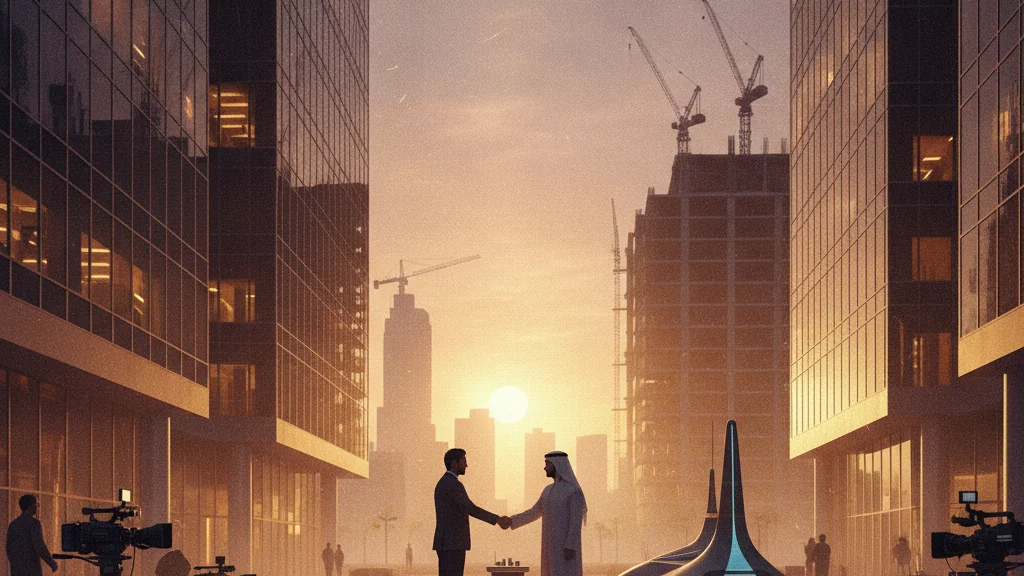
The Deal at a Glance
The recent acquisition of Dubai Studio City (DSC) by Aldar Properties for a reported AED 1.1 billion (approximately $300 million USD) is more than just a real estate transaction. For anyone involved in production, marketing, or creative agencies across the UAE, this mega-deal signals a significant shift in the strategic direction and potential future for one of the region's most important media hubs. This isn't just about new ownership; it's about what a major developer like Aldar sees in the future of content creation and media infrastructure in Dubai.
Dubai Studio City, part of TECOM Group, has long been a cornerstone of the UAE's media ambitions, sitting alongside Dubai Media City (DMC) and twofour54 in Abu Dhabi. It provides sound stages, backlots, and a free zone environment that has attracted numerous production companies, broadcasters, and creative businesses. The acquisition by Aldar, a company renowned for its large-scale developments in Abu Dhabi and increasingly across Dubai, suggests a deeper investment in the physical and commercial infrastructure that supports the creative economy. This could mean renewed focus on modernizing facilities, expanding digital capabilities, and potentially attracting even larger international productions to the emirate. Think about the impact a firm like Aldar could have on developing cutting-edge virtual production studios or purpose-built sets that rival facilities in other global production hubs.
Dubai Studio City's strategic vision: beyond bricks and mortar
Aldar's move into Dubai Studio City isn't just about adding a new asset to their portfolio. It’s a strategic play that aligns with Dubai's broader economic diversification goals and its ambition to become a global creative capital. For production teams, this could translate into significant infrastructure upgrades. Imagine enhanced sound stages, dedicated post-production facilities equipped for 8K workflows, or even specialized zones for AI content creation and virtual reality experiences. The financial backing and development expertise of Aldar could accelerate the evolution of DSC from a functional media free zone to a truly world-class production ecosystem. This is particularly relevant for companies looking to expand their capabilities in areas like virtual production studio setups or advanced CGI & VFX production, which require substantial capital investment in technology and space.
The deal also shows the growing recognition of the media and entertainment sector as a key economic driver. As Dubai continues to attract global talent and businesses, the demand for high-quality content production, from commercials filmed against the backdrop of the Burj Khalifa to feature films shot in the Al Qudra desert, will only increase. Aldar's involvement could streamline processes, potentially leading to more competitive pricing for studio space or even incentives for long-term tenants. This would be a welcome development for local businesses, from small independent production houses in Al Quoz to large agencies in DIFC, all vying for projects in an increasingly competitive market. For more on the UAE's creative growth, read our post on Dubai's virtual production growth.
What Dubai Studio City means for local production teams
For Dubai-based production teams, brand marketers, and agency owners, this acquisition has several potential ramifications. Firstly, expect a renewed push for state-of-the-art facilities. Aldar's track record in developing premium real estate suggests that any enhancements to DSC will be designed for efficiency and cutting-edge technology. This could include updated power grids, improved internet infrastructure, and purpose-built sound stages designed for modern filming techniques, including those requiring extensive drone videography or complex lighting setups. The Dubai Film & TV Commission (DFTC) has already done excellent work in attracting productions with its project-based rebate framework, and a modernized DSC could further amplify these efforts.
Secondly, the acquisition might foster greater collaboration and integration within the broader creative industries. Aldar's extensive network could open doors for DSC tenants to partner with other businesses within their real estate portfolio, creating new opportunities for content creators. Imagine an agency in Business Bay needing a specific type of location, and DSC, under Aldar, being able to facilitate that through its broader property holdings. This could also mean a stronger focus on attracting international players, potentially bringing more diverse projects and higher budgets to the UAE, benefiting everyone from freelance crew members to established video production services providers. Discover more about local production trends in our article, the UAE's production rebate market.
A more advanced and technologically capable Dubai Studio City could also encourage local talent development. With better facilities and a potential increase in production volume, there's a greater incentive for educational institutions and vocational training programs to align their curricula with industry needs. This creates a pipeline of skilled professionals, from cinematographers to post-production specialists, ensuring the UAE's creative sector remains self-sufficient and competitive. It's a win-win: better infrastructure attracts more work, which in turn nurtures local expertise.
Potential Challenges and Opportunities
While the prospects are largely positive, there will undoubtedly be challenges. Any major ownership change brings a period of adjustment. Existing tenants in DSC will be watching closely for changes in lease agreements, service charges, or operational procedures. However, Aldar's reputation suggests a focus on long-term value creation. The opportunity here is for Aldar to not just manage DSC, but to actively grow it as a hub for innovation. This could involve partnerships with technology providers, creating incubator programs for media startups, or even developing specialized zones for emerging technologies like volumetric capture or AI-driven content generation.
The strategic location of DSC, easily accessible from areas like Dubai Marina, JBR, and Downtown, makes it a prime candidate for such expansion. With Expo City now a permanent fixture and other major cultural venues like the Museum of the Future attracting global attention, the demand for high-quality content reflecting Dubai's dynamic environment is only set to increase. An Aldar-backed DSC could become the go-to location for filmmakers looking to capture the essence of modern Dubai, from its iconic skyline to its vibrant cultural scene. For a deeper look at the market dynamics influencing such deals, consider this Forbes article on Dubai's real estate boom, which provides context for the broader investment climate. For insights into attracting global productions, see our breakdown of regional rebate frameworks across the UAE.
The Future of UAE Production: A Bolder Vision
The Aldar acquisition of Dubai Studio City isn't just a headline; it's a statement of intent. It signifies a long-term commitment to the UAE's creative industries, backed by significant capital and development expertise. For production companies, marketing agencies, and creative professionals across Dubai and the wider UAE, this deal should be viewed as a catalyst for growth and innovation. Expect to see modernized facilities, a potential influx of new projects, and a stronger, more integrated media ecosystem. The future of production in the UAE looks set for a significant upgrade, offering new horizons for everyone from independent filmmakers to large-scale commercial producers.
For the wider local production context, see the Dubai Media Office news archive for current UAE media and film-sector developments.