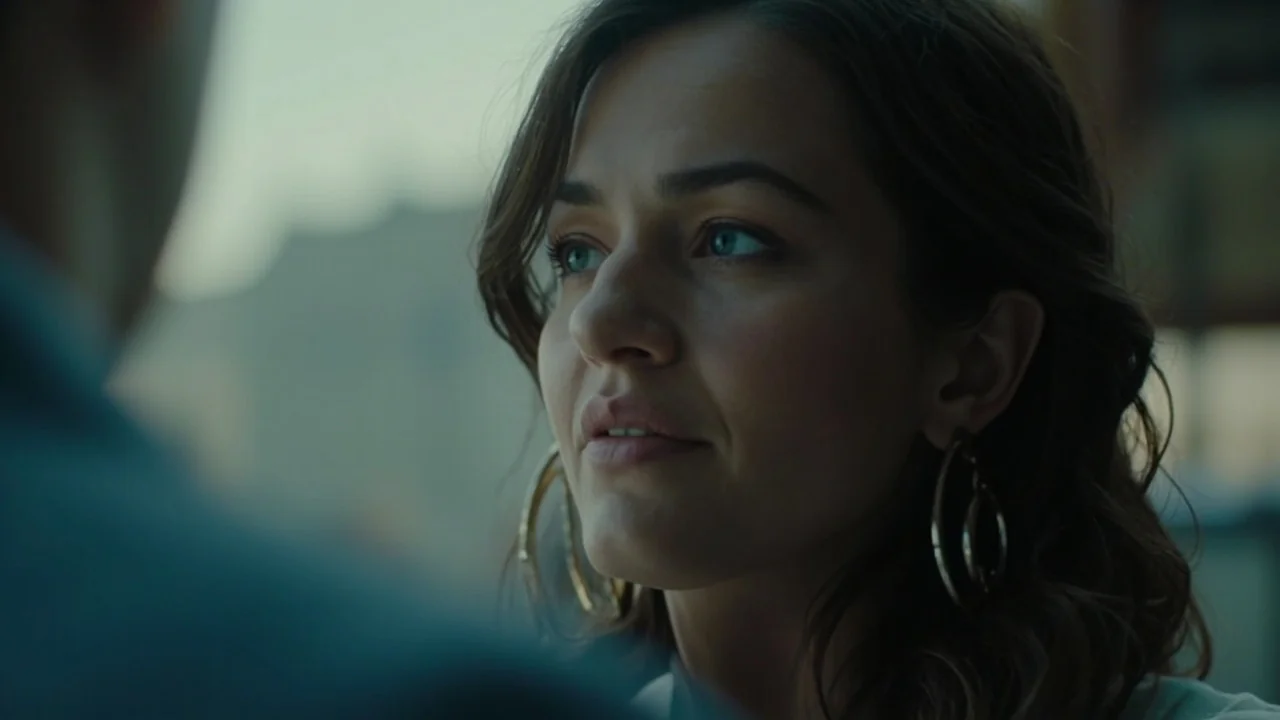
AI video localization for Dubai brands: ElevenLabs, HeyGen, and Captions AI
English-Arabic campaigns in Dubai need more than translated captions. Viewers expect natural delivery, correct lip movement, accurate product terminology, and footage that still feels connected to Dubai. ElevenLabs, HeyGen, and Captions AI can accelerate that process, but each solves a different part of the pipeline. The strongest results come from treating localization as a planned workflow, not a final upload button.
That distinction matters for teams working between DIFC, JBR, Business Bay, Al Quoz, Dubai Marina, and Jumeirah. A campaign built for English may need Arabic voiceover, presenter-led revisions, mobile-first edits, and separate social deliverables. Localizing those elements together avoids the inconsistent timing and weak Arabic typography that weaken cross-market advertising.
Why AI video localization needs its own English-Arabic production lane
Arabic localization is not a straight language swap. Brand names may remain in English, dates can follow a different sequence, and product claims need review by a speaker of the target dialect. A luxury automotive film may keep an English model introduction while changing the voiceover, on-screen text, and end frame. A hospitality campaign may require Modern Standard Arabic, while a retail social video needs conversational delivery.
The campaign brief should define which elements change: dialogue, presenter performance, captions, lower thirds, graphics, music, and the call to action. Teams should also secure commercial usage rights for every voice, avatar, music track, and uploaded asset. AI tools can generate convincing speech and faces, but they cannot determine whether a logo, price, or legal claim is correct.
The wider model ecosystem remains relevant. Sora, Veo, Runway Gen, Pika, Adobe Firefly Video, Meta Muse Video, and ByteDance Seedance can contribute generated shots, while Topaz Video AI and DaVinci Neural Engine support finishing. This guide to AI developments reported by Variety provides context.
Pre-production: build a bilingual script and shot plan
Pre-production should produce two synchronized scripts, one for English and one for Arabic. Each line needs an approximate duration because Arabic voiceover timing determines the final edit. If the English line lasts 8.2 seconds, the localized voice should not be compressed into an arbitrary 6-second slot. Script, shot list, and timing sheet should travel together through approvals.
Dubai production managers can ask ElevenLabs to create controlled voice tests for narration, hospitality introductions, and training content. ElevenLabs plans range from roughly $5 to $330 per month, with Arabic v3 enterprise pricing on request. The useful test is not whether the voice sounds polished alone, but whether pronunciation, pacing, and brand vocabulary stay convincing beside the footage.
For presenter-led campaigns, HeyGen belongs in the script and casting stage. A spokesperson can supply a short green-screen performance, or an approved digital presenter can read the English master. The team should test lip-sync accuracy, hand placement, and frame compatibility. The output may then be translated into Arabic with the voice replaced. The key check is whether mouth movement stays believable at final playback size.
Captions AI is more useful when the brief involves frequent creator-led revisions. Teams can test vertical edits for retail, education, and fitness campaigns without rebuilding every timeline. That speed supports a social-first plan, but the deliverable still needs a house style guide covering fonts, Arabic alignment, safe areas, captions, and color treatment.
Production: assign each tool to the right job
ElevenLabs is the strongest center of gravity for this workflow when voice quality and Arabic dubbing are priorities. Its studio-style tools support voice generation, dubbing, and sound adjustments before the final mix. A Dubai real estate team could use it for an English master about an off-plan launch in Business Bay, then produce an Arabic version for DIFC. Footage can stay live action or use AI-assisted virtual staging.
HeyGen is most useful when the campaign depends on a presenter or avatar. It can help a luxury hospitality brand create an Arabic version of an English welcome message, while a training team at a DMC-based company produces localized internal videos. The production constraint is continuity: small changes in facial movement or head timing across cuts expose the translation. Teams should match presenter footage with camera angles of similar scale and lighting.
Captions AI works best for creator content, short-form ads, and rapid campaign revisions. Imagine a JBR restaurant releasing English and Arabic versions of a new menu video, or an education provider in Al Quoz producing daily explainers. Its advantage is a fast editing loop, not visual fidelity. A 60-second vertical ad may still need external sound design, motion graphics, and color finishing.
Peer platforms should also enter the discussion. Luma AI, Krea AI, and Synthesia support generated or presenter-led media, while Dubai boutique studios add filming, casting, and location expertise. For automotive or yacht work, LED stages versus real Dubai locations remains more relevant than a synthetic workflow.
Post-production: preserve timing, typography, and brand detail
Post-production begins with dialogue timing. Editors should place the localized voice against the picture, then adjust shot duration, transitions, and music rather than speeding speech unnaturally. Captions must be reviewed by a native Arabic reader, especially for product names, numerals, and places such as Downtown, Deira, and the Burj Khalifa.
AI upscaling through Topaz Video AI helps when the source is below delivery resolution, but it cannot repair defective framing or inaccurate generated details. DaVinci Neural Engine remains practical for color work. Teams working around Studio City, Sharjah Media City, and Media City Free Zone should retain source files, prompts, licenses, and approval records so every localized version can be traced.
Brand-safety review belongs in the checklist. Generative video can hallucinate storefront signs, vehicle badges, building details, or hands near products. A campaign filmed around Expo City or the Museum of the Future must verify that generated architecture does not imply a false location. Music and voice licenses should cover paid media and connected TV.
Teams comparing model output can review the analysis in Veo 3.1 Lite’s free access for Dubai creators and Vidu 2.0 versus PixVerse V5 for 4K output. These tools support visual variants, but not localization QC.
Dubai budgets and the recommended AI video localization workflow
A three-day Dubai studio shoot can cost approximately AED 35,000 to AED 60,000 before travel, talent, locations, and post-production. By comparison, Sora Pro at $200 per month can support eight creative variants, while Runway Gen is listed around $76 per month for selected plans. These figures are not substitutes for a full shoot, but they show why AI video appeals to agencies managing message versions for a retail group in Jumeirah or a developer in DIFC.
The practical route is a hybrid pipeline. Use ElevenLabs as the localization and voice layer, HeyGen for presenter-led communication, and Captions AI for creator-style social revisions. Keep pre-production human-led, approve the English master, create a timed Arabic script, generate and mix the voice, translate the presenter, do Arabic motion graphics, then complete caption, color, VFX, and sound-design review.
Brands needing more control can engage AI video production Dubai specialists to connect these tools with conventional production. The right deliverable is not simply an Arabic file. It is a versioned campaign package for Dubai audiences, with platform-specific edits, approved terminology, licensed assets, and a documented process the internal team can repeat.