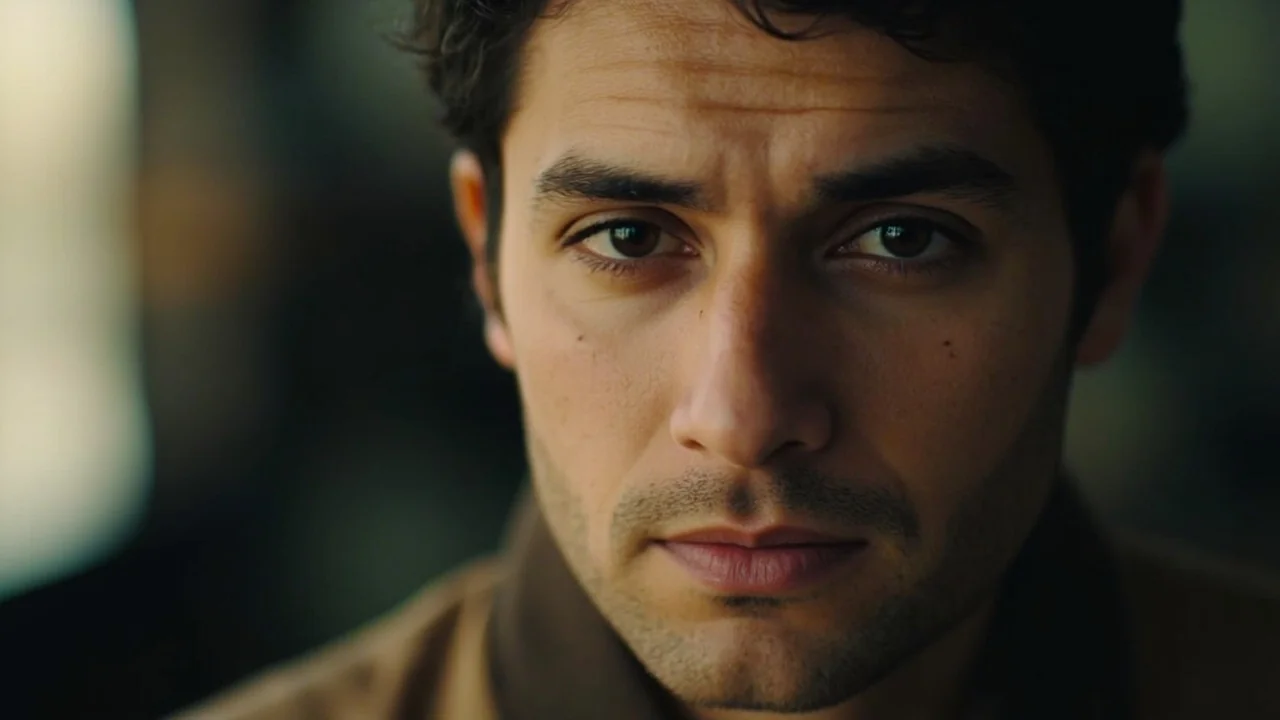
AI video for Dubai university marketing in 2026: How American University of Sharjah, Heriot-Watt Dubai, and SP Jain can use AI presenters to cut recruitment film budgets
Dubai university recruitment teams could test presenter-led concepts, campus scenes, Arabic and English versions, and paid social cuts before commissioning a full location shoot. This approach can produce several recruitment assets from one plan while retaining documentary footage of students and faculty.
For Dubai production teams, an AI presenter can deliver scripted passages while real campus footage supplies credibility and local character. A polished AI video production Dubai pipeline can combine both approaches without presenting synthetic people as documentary participants.
Why AI video for Dubai university marketing needs a new production model
Traditional campus recruitment production carries costs for castings, travel, permissions, venue hire, multilingual versions, and post-production. A three-day Dubai studio shoot can cost AED 35,000 to AED 60,000 before travel or narration work. The same concept can first be tested in Sora, with Sora Pro listed at $200 per month for eight variations in some workflows.
This comparison concerns production planning, not the idea that a subscription replaces a full crew. A three-day shoot can still provide authentic footage of laboratories, libraries, student accommodation, and campus life. AI can support script, pacing, presenter-framing, and call-to-action tests before photography begins.
The output might include a 90-second admissions film, a 30-second programme video, vertical campus-tour edits, and six-second advertisements. For teams around DIFC, Business Bay, Downtown, and JBR, one idea can become a focused asset library rather than a single master file.
The 2026 AI video pipeline from script to multilingual deliverables
Pre-production begins with a script, storyboard, shot list, and presenter brief. The team defines the target applicant, programme, location, tone, and calls to action. It can then produce visual tests using Sora, Veo, Runway Gen, Pika, Meta Muse Video, or ByteDance Seedance. Adobe Firefly Video can support selected assets, while DaVinci Neural Engine remains useful for finishing rather than generation.
During production, real footage can be captured at approved campus or Dubai locations. AI can supply presenter passages, virtual extensions, or controlled visual environments. ElevenLabs can create narration and lip-synced dubbing, including Arabic voice workflows for families and international audiences. Its tiers run from roughly $5 to $330 per month, while Arabic v3 enterprise pricing is available on request. Audio consent, voice rights, and brand review still need documentation.
Post-production makes these elements consistent. Editors can use Topaz Video AI for selected upscale tasks, Adobe tools and DaVinci Resolve for finishing, and AI-assisted sound design for music and effects. Generative video can introduce unstable logos, malformed signage, or incorrect building details, so human review remains necessary. The deliverable should preserve the real campus rather than hide it behind synthetic imagery.
What AI presenters can offer American University of Sharjah and Heriot-Watt Dubai
A Dubai campaign for American University of Sharjah could pair its strong visual identity with AI presenter segments alongside real footage of the campus and student experience. A presenter can introduce a programme pathway, deliver a dean’s scripted message, or explain scholarships and application steps. Real scenes of classrooms, labs, and student activity provide supporting evidence. This approach can support variants for local, GCC, and international audiences without reshooting every introduction.
For a Heriot-Watt Dubai campaign, a future-facing presenter may suit content about engineering, energy, and business programmes. Virtual staging could reduce the need to place every visual in a physical studio. The same approach may suit hospitality and retail campaigns in Dubai Marina, where Arabic and English presenter versions address different audiences.
SP Jain recruitment campaigns could also use short presenter-led videos to explain postgraduate pathways, campus access, application deadlines, and programme fit. Teams can test whether a formal academic tone or conversational host performs better with the intended audience. Brand-safety and accuracy checks matter because polished delivery can make an incorrect admission detail appear more credible.
The cost case: subscriptions against location-heavy production
Tool pricing helps planners build realistic scenarios. Sora Pro is listed at $200 per month, Runway Gen at approximately $76 per month, and ElevenLabs at roughly $5 to $330 per month depending on usage. Dubai boutique production shops can combine these tools with conventional editing, real-location photography, and client review. Luma AI and Krea AI offer options for image-to-video experimentation, while Synthesia focuses more on presenter and training videos than cinematic location work.
A practical budget might assign AED 3,000 to AED 8,000 to a modular recruitment-film package containing an AI presenter, real campus inserts, Arabic and English narration, motion graphics, and social cutdowns. A conventional shoot may still be justified when student interviews, laboratory demonstrations, or detailed location coverage are central to the campaign.
Volume changes the calculation. Producing six programme films, twelve social edits, and two language versions may make avoiding six separate shoot days worthwhile. The key metric is the number of approved, on-brand deliverables produced from each production day, rather than generated footage per dirham.
Where virtual production still earns its budget
AI should not absorb every production stage. Campus access, faculty interviews, student testimonials, and location-specific visuals usually deserve a camera crew. Dubai Studio City, Media City Free Zone, and Sharjah Media City provide useful production contexts for mixed real and virtual workflows.
For automotive work around Studio City or luxury retail campaigns near the Burj Khalifa, generated footage may need stronger control than a presenter-led education film. The virtual production comparison with Unreal Engine 5.6 explains why physical LED volumes can remain valuable for controlled reflections and premium product finishes.
Teams weighing location filming against studio work can also review the Dubai virtual production cost comparison. University recruitment usually needs a different balance: authentic campus footage carries more recruiting weight than showroom-level visuals, so AI can focus savings on presenter passages and format variants.
How to brief an AI recruitment film without losing trust
A strong brief identifies what must be real, what may be generated, and who approves each stage. Use real students and faculty where consent is available. Name the required campus spaces, protect the university’s visual identity, and review every statement about fees, dates, accreditation, and entry requirements.
Model selection should follow the deliverable. Runway Gen or Veo may suit controlled 16:9 campaign shots; ElevenLabs handles approved narration and dubbing; Topaz Video AI supports specific finishing tasks; and Sora or Pika can develop visual concepts. Review model output for rights, resolution limits, artefacts, and inconsistent logos. The Variety AI technology coverage tracks model development and commercial issues affecting generated media.
Dubai agencies can compare emerging systems through the Vidu 2.0 versus PixVerse V5 comparison. A headline resolution does not remove the need for review, and a model should not be selected solely by its output specification.
For teams ready to build a controlled presenter workflow, AI video production services can combine scripting, presenter generation, multilingual narration, editing, and delivery formats. A sensible 2026 approach is to use AI to reduce iteration and versioning costs, preserve genuine campus evidence, and reserve full-shoot budgets for the moments viewers most need to trust.