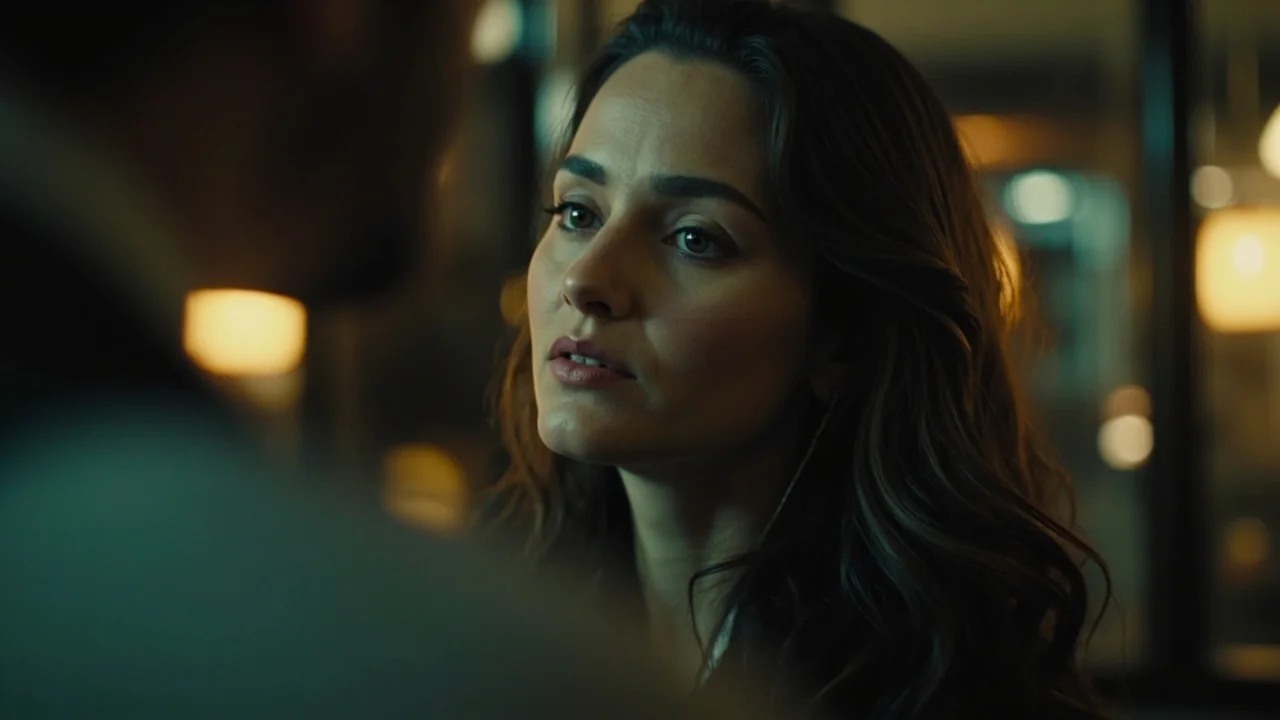
AI video for DIFC legal explainer videos in 2026
DIFC law firms are increasingly using AI video to explain complex services without turning client education into a lecture. Synthesia handles presenter-led explainers, while Hedra generates expressive avatars and lip-synced delivery for shorter legal updates. The practical advantage is not instant video. It is a faster production pipeline that can produce several formats from one approved script, including English and Arabic versions for clients in Downtown, Dubai Marina, Business Bay and overseas markets.
A strong legal explainer still needs careful scripting, accurate visual references and review by the firm’s lawyers. AI can compress the shooting, editing and versioning stages, but it cannot verify legal wording or invent contract clauses. For production teams, this makes the difference between a generic avatar library and a usable client-education system. JJ Agency Films develops these projects through AI video production Dubai services that connect pre-production, AI-assisted production and post-production under one brief.
Why Synthesia and Hedra suit DIFC explainer workflows
Synthesia is the practical centerpiece for structured DIFC legal explainers. A firm can script questions about corporate structuring, commercial disputes, employment matters or business setup, then assign a professional presenter without booking a studio. Built-in templates, screen recording and multilingual versions suit recurring content such as onboarding videos, client checklists and market briefings. The constraint is visual repetition. If every video uses the same gestures, framing and cadence, the content starts to feel like an automated notice rather than a consultation.
Hedra is more useful when the legal message depends on delivery. It can create a fictional presenter for scenarios involving a client question, a lawyer responding or a scenario-based walkthrough. Hedra also supports lip-synced voice and facial animation, making it useful for fictionalised education rather than documentary footage. Production teams should avoid visualising real clients or implying that an AI presenter is a lawyer from the firm. Hallucinated gestures, unstable hands and inaccurate on-screen wording still require frame-by-frame review.
Hedra and Synthesia sit alongside Sora, Veo, Runway Gen, Pika, Meta Muse Video and ByteDance Seedance for more cinematic shots. Luma AI and Krea AI are useful peer tools for concept development, while Synthesia remains clearer for presenter-led communication. Dubai boutique production companies can also add location footage, animation and editorial judgement that an off-the-shelf avatar cannot supply.
From legal script to eight AI video variants
Pre-production starts with a tightly scoped question. Instead of asking, “How does corporate law work?”, a better topic is, “What documents should a DIFC founder prepare for a share purchase agreement?” The script then moves through a practical sequence: define the issue, show a fictional situation, explain the process and finish with one next step. Lawyers approve the substance before any avatar is generated.
From that approved script, the production team can build a shot list with talking-head sections, animated diagrams, device mockups, Dubai property footage and abstract legal visuals. A producer can then test different presenters, opening hooks and Arabic voiceovers. When a brief needs higher-resolution shots, a comparison of Vidu 2.0 and PixVerse V5 is worth reading.
Budget planning should separate platform fees from production labour. Compared with a three-day Dubai studio shoot at AED 35-60K, a $200 Sora Pro subscription can support eight concept variants, but human review, scripting, sound design and delivery remain real production costs. A legal client buying confidence should not confuse a licence fee with a finished video.
Building the production pipeline around Arabic dubbing
The production stage combines avatar generation with conventional finishing. Synthesia or Hedra creates the clean presenter performance, while ElevenLabs supplies Arabic narration and matching lip-sync. This suits a DIFC firm serving clients in Downtown, Dubai Marina and Business Bay, as well as family offices running onboarding sessions across the Media City Free Zone and Sharjah Media City.
Arabic dubbing needs more than transliteration. A producer checks pronunciation, sentence length, legal terminology and the emotional tone of the synthetic voice. Fast Arabic delivery can create rushed consonant clusters, while an overly polished voice may not suit a sensitive client message. The safest approach is a native-language review before final rendering.
Synthetic and filmed material can also be mixed. A Hedra presenter may introduce a case study, followed by motion graphics showing a payment timeline. Sora or Veo can create a non-identifying office environment, and Dubai Marina off-plan property footage can supply a premium location transition. Runway Gen or Pika may provide a short visual metaphor, but the team should avoid invented document text, incorrect logos and scenes that imply a real court outcome.
Where location realism matters, the cost choice changes. An LED volume versus a real Dubai location comparison helps producers estimate the difference. A virtual set in Al Quoz can suggest a DIFC meeting room without filming in a working office. It also gives the team control over lighting and background changes. The limitation is that virtual environments can look plausible yet contain incorrect architectural details, particularly around landmarks such as the Burj Khalifa or Museum of the Future.
Post-production that protects credibility and brand quality
Raw avatar output is not ready for publishing. Post-production should include dialogue cleanup, music, sound design, captions, motion graphics and colour treatment. Adobe Firefly Video can support selected generated shots, while DaVinci Neural Engine and Topaz Video AI can improve playback, upscaling and final colour consistency. More footage does not automatically create a stronger explainer, so the edit should remove pauses and repeated gestures while preserving natural pauses around important legal points.
Every frame needs a brand-safety and factual review. Teams should check logo shapes, interface labels, document wording and background signs that AI may have distorted. They should also confirm commercial rights for the chosen model, soundtrack, avatar and voice. A distorted document or an invented legal reference can damage client trust faster than any production shortcut.
AI music can support a restrained opening for a DIFC firm’s client portal, but it should sit below narration. Sound design is often the fastest way to make avatar footage feel less synthetic: subtle room tone, paper movement for document examples and carefully shaped transitions can ground the visuals.
A practical 2026 client-education model
The strongest workflow combines repeatable AI production with selective human craft. Synthesia handles scalable presenter content, Hedra adds facial performance, and models such as Sora, Veo and Runway Gen supply short cinematic inserts. Dubai location footage, animation and expert editing provide the credibility that a talking avatar cannot create on its own.
For firms and agencies, the measurable outcome is not videos generated per hour. It is approved content reused across onboarding, social channels, client portals and sales meetings without multiplying production days. That approach also supports event campaigns around Expo City, hospitality campaigns in JBR and property communications across Al Quoz and Dubai Marina.
Model developments will continue, but editorial control remains the deciding factor. Industry reporting from Variety’s AI technology coverage tracks the tools and commercial shifts affecting production teams. The practical takeaway is simpler: keep the legal message with the lawyers, use Synthesia and Hedra for controlled performance, and finish every project with a producer who understands how Dubai audiences expect business communication to look and sound.