ai-personalized live shopping in the uae: how noon and namshi use generative avatars to boost conversion
The UAE's e-commerce sector is experiencing a rapid evolution, with online retailers constantly seeking innovative ways to engage customers and drive sales. Live shopping, a trend that marries entertainment with instant purchasing, has gained significant traction. Now, the integration of generative AI avatars is taking this experience to a new level, offering personalization and scalability that traditional methods simply can't match. For Dubai and UAE businesses, from brand marketers in Business Bay to production teams in Al Quoz, understanding this shift is key to staying competitive.
the rise of generative avatars in ai-personalized live shopping
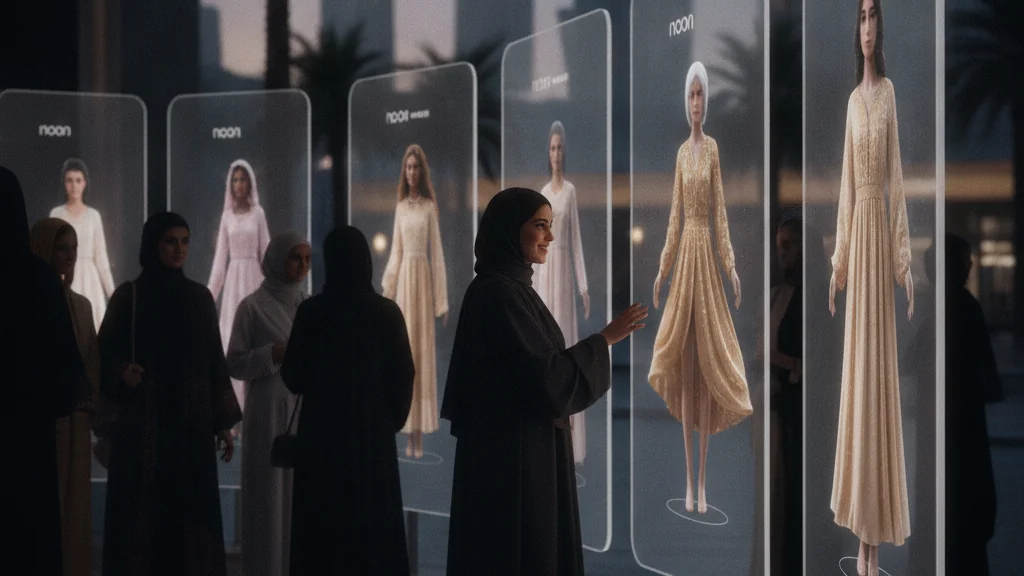
Noon and Namshi, two of the region's e-commerce giants, are at the forefront of this innovation. They're not just hosting live streams; they're deploying AI-powered generative avatars to act as virtual presenters, stylists, and product demonstrators. These avatars, built using advanced AI models like Meta Muse Video or ByteDance Seedance, can be customized to reflect diverse demographics, speak multiple languages (including authentic Arabic, often powered by ElevenLabs Arabic v3 enterprise solutions), and adapt their recommendations in real-time based on viewer data. Imagine a virtual stylist, perfectly tailored to a customer in Jumeirah, show the latest fashion trends from Namshi, or a Noon avatar explaining the intricate features of a new gadget with a personalized pitch.
This approach moves beyond static product images or pre-recorded videos. It creates a dynamic, interactive environment that mimics the personalized experience of in-store shopping but with the convenience and reach of online platforms. For production teams, this means a shift in deliverables. Instead of solely focusing on a traditional 3-day studio shoot in Dubai, which might cost AED 35-60K, the focus expands to creating high-fidelity 3D assets, training AI models, and optimizing avatar performance. Our AI video production Dubai services are increasingly involved in developing these sophisticated virtual presenters.
ai-driven personalization: beyond basic recommendations
The real power of generative avatars lies in their ability to personalize the shopping experience at scale, building on the broader AI personalization in video marketing playbook Noon's growth team has been refining since 2024. Traditional live shopping often relies on a single human presenter, limiting the scope of personalization. With AI avatars, Noon and Namshi can:
- Tailor product recommendations: Based on a viewer's browsing history, purchase data, and even real-time interactions during the live stream, the avatar can suggest products highly relevant to that individual.
- Offer diverse representation: Avatars can be generated to represent various ethnicities, body types, and styles, making the shopping experience more inclusive and relatable for a broader UAE audience, whether they're in Deira or Downtown.
- Provide instant answers: Integrated with natural language processing, avatars can answer viewer questions about products, sizing, availability, and delivery in real-time, reducing friction in the purchasing process.
- Adapt language and tone: An avatar can smooth switch between English and Arabic, adjusting its tone to match the brand's voice or even the individual viewer's preferences. ElevenLabs, for example, offers natural-sounding Arabic voice synthesis that blends smoothly with live avatar lip-sync.
For brands targeting the affluent market in Dubai Marina or the diverse communities in JBR, this level of personalized engagement is invaluable for boosting conversion rates.
the production pipeline behind ai-personalized live shopping avatars
Creating these AI-powered live shopping experiences involves a specialized production pipeline that differs significantly from traditional video production. It blends elements of CGI, virtual production, and AI model training:
- Pre-production: This phase involves character design for the avatars, scriptwriting for typical interactions, and defining the brand's voice and visual guidelines. Storyboarding focuses on user journeys and interactive elements rather than linear narratives.
- Asset Creation: High-quality 3D models of products and environments are essential. This often involves 2D & 3D animation and CGI & VFX production to create realistic digital twins.
- AI Model Training: This is where the magic happens. Generative AI models (like those behind Runway Gen or Pika) are trained on vast datasets of fashion, product information, and interaction patterns. Tools like ElevenLabs are crucial for developing the nuanced voice models, especially for Arabic content.
- Integration and Deployment: The trained avatars and product assets are integrated into the live shopping platform, often use virtual production studio environments. Real-time rendering engines ensure smooth, high-fidelity visuals during live streams.
- Post-production (continuous): This isn't a one-off process. Data from live sessions feeds back into the AI models for continuous improvement, refining the avatar's performance, recommendations, and conversational abilities. AI upscaling tools like Topaz Video AI can ensure the streamed visuals maintain optimal quality.
While a Sora Pro subscription might cost around $200/month for advanced video generation, the overall investment in a reliable generative avatar system for a major retailer like Noon is substantial, but the ROI in terms of conversion and customer loyalty can be significant. Local studios, including JJ Agency Films, are actively developing expertise in this evolving domain, contrasting with more traditional competitors like Luma AI or Synthesia who focus primarily on avatar generation rather than full live shopping integration.
strategic advantages of ai-personalized live shopping for uae businesses
For businesses operating in the UAE, especially those in competitive sectors like retail, real estate, or automotive, embracing generative avatars offers distinct strategic advantages:
- Scalability: AI avatars can host multiple live shopping sessions simultaneously, reaching a wider audience without the logistical constraints of human presenters. This is particularly useful for large-scale events at Expo City or product launches targeting multiple regions.
- Consistency: Brand messaging and presentation remain consistent across all interactions, something challenging to maintain with a large team of human presenters.
- Cost-Efficiency: While initial setup can be an investment, the long-term operational costs can be lower than continually hiring and training human presenters, especially for repetitive tasks. For example, generating an AI-driven corporate explainer video for a DIFC fintech firm using Sora or Runway Gen is often more cost-effective than a traditional shoot once you factor in studio rental, on-screen talent, and reshoot cycles — and the marginal cost of running an avatar drops sharply after the first live session.
- Data-Driven Optimization: Every interaction with an AI avatar generates valuable data, allowing businesses to continually refine their sales strategies and product offerings.
The future of e-commerce in the UAE is undeniably personalized and AI-driven. As Noon and Namshi demonstrate, generative avatars are not just a novelty; they are a powerful tool for boosting conversion, enhancing customer engagement, and setting new benchmarks for online retail experiences. For production teams and marketers across Dubai Media City and Studio City, understanding and adapting to these AI-powered workflows is no longer optional, but essential for growth in the digital age. For more insights into the broader impact of AI on media, a recent article in Forbes highlights the rapid changes unfolding.